- 55 Main Street, Australia
- support@domain.com
- (123) 456-789


The Differences Between Glass Awnings, Canopies, and Sunshades
Glass awnings, canopies, and sunshades are architectural features mounted to the exterior of a building. Each one serves a specific purpose. Some provide shelter at entrances, while others control sunlight along the façade; however, all contribute to the overall appearance of the building. These systems use structural glass supported by stainless steel or aluminum hardware to create strong, durable forms that align with modern design goals.
In the United States, fabric awnings and shades gained popularity during the Victorian era, driven by the rise of industrial fabric production and a desire to dress up the appearance of porches, windows, and storefronts. Aluminum awnings gained popularity after World War II, when metal became more readily available and design trends shifted toward streamlined, durable, and low-maintenance materials. These systems were marketed for weather protection and energy savings. As architectural glass became more prevalent in building design, more sophisticated shading strategies emerged, including sunshades and canopies. Today, these elements have evolved from purely functional components into architectural metal systems that support both performance and aesthetics in contemporary architecture.
Glass canopies, awnings, and sunshades reflect a broader focus on design elements that are both durable and practical. These systems impact a building’s appearance, functionality, and the way people interact with it. By managing light, creating shaded areas, and marking key entry points, they help improve comfort and make the exterior feel more considered.
A glass awning is a compact overhang directly attached to a building’s exterior. It is installed above windows or doors and serves as a decorative and functional shield against rain, snow, or sunlight. These awnings are typically made from clear or lightly tinted glass and supported by metal brackets or tension rods. They are commonly used at retail and dining entryways to provide weather protection while maintaining a clean, modern aesthetic.
A glass canopy is a large, horizontal architectural structure made primarily of glass and metal that projects outward from a building. It is typically installed over entrances, walkways, or gathering spaces. A glass canopy provides shelter from rain, snow, or sun. These canopies are typically made from clear or frosted glass panels and supported by rods, tension cables, or metal frames, resulting in a durable, open-air structure. These systems are frequently used in hospitality and institutional environments such as hotels, hospitals, universities, and conference centers, where covered access is needed at a larger scale.
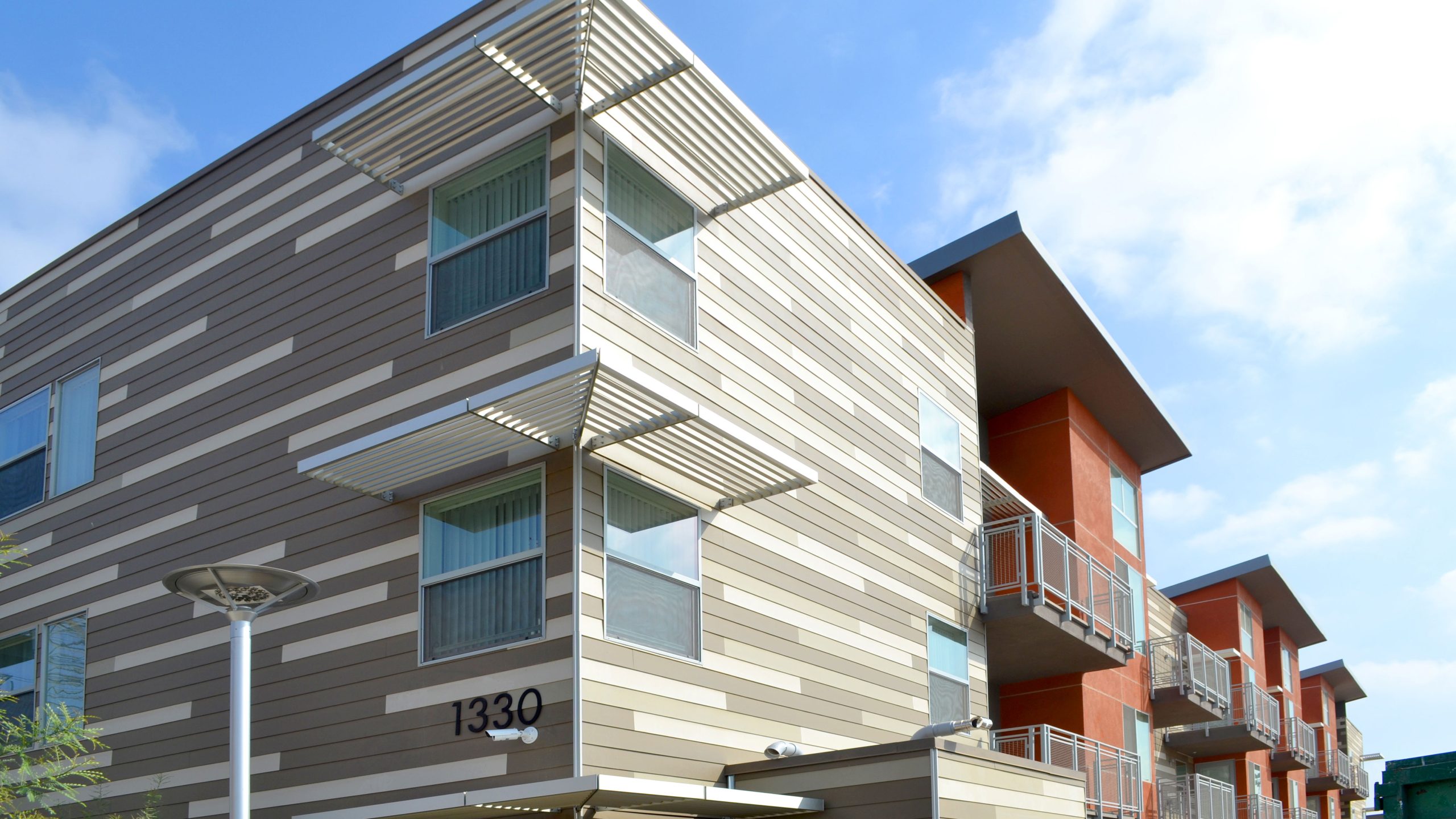
Glass sunshades are panels mounted to the outside of a building, usually above windows, to help block sunlight and reduce glare. Sunshade systems are composed of flat or angled glass panels, often tinted or lightly patterned, and secured in place by metal supports positioned just above the glass. They help filter daylight, reduce glare, and can keep interior spaces cooler by limiting direct sunlight. These systems are often used on large buildings with extensive glass areas to enhance comfort and reduce the need for cooling.
Glass awnings, canopies, and sunshades each serve a unique role in exterior design. Recognizing the differences between these systems helps select the most appropriate solution based on function, scale, and setting.
Although each of these systems serves a different purpose, they share a few core qualities that make them common choices in modern building design:
Glass awnings and sunshades?
Awnings and sunshades play distinct roles in how a building manages exposure, comfort, and visual expression. A glass awning provides localized weather protection from rain or snow, while a sunshade is designed to reduce solar heat gain across larger areas of glass.
Glass awnings typically require hardware that projects outward, such as brackets or rods, to support the awning. In contrast, sunshades are often lighter and mounted closer to the building surface, placing less structural demand on the building. Awnings are primarily concerned with providing shelter and maintaining visibility, whereas sunshades focus on enhancing energy performance and controlling light.
Glass canopies and awnings?
Glass canopies and awnings both extend outward from a building, but their applications differ. A commercial glass canopy typically spans larger areas, such as patios, gazebos, outdoor dining spaces, or walkways, and is designed to support heavier structural loads. They are common in hospitality environments, such as hotel entrances, rooftop bars, and poolside lounges, where covered access and gathering spaces are essential.
Because awnings are permanently attached to the building, installation may involve drilling, mounting brackets, or other structural anchoring. Once in place, they are not easily repositioned or removed. Awnings are smaller in scale and often provide focused protection over doors or windows in settings like storefronts, cafes, or office lobbies.
Sunshades or canopies?
Glass sunshades and canopies are often positioned above building entries or along facades. A sunshade is primarily focused on reducing solar exposure, while a canopy is designed to protect people and spaces from elements such as rain or sleet. Because canopies support heavier loads and project farther from the building, they often require more substantial structural anchoring than sunshades, which are typically lighter and more closely integrated into the building exterior. Sunshades manage heat and glare, whereas canopies create sheltered areas for movement and gathering.
Together, these systems provide a range of options for mitigating weather, lighting, and visual impacts. Finding the right system depends on the specific needs of the project, the role of the space, and how the element is meant to interact with the overall design.
Glass overhangs often appear alongside other exterior systems like glass railings and windscreens, especially in commercial and hospitality settings. When used together, these elements help define outdoor areas while maintaining a consistent, open look across the building. A canopy or sunshade might cover a hotel rooftop lounge, while frameless glass railings keep the view open and add a layer of safety around the space. On restaurant patios, awnings help visually connect the indoor and outdoor areas, while windscreens block direct wind to create a more comfortable dining experience. Whether it’s pool decks, elevated walkways, or street-level cafés, these combinations create safe, inviting environments that balance openness with protection.
CRL offers a comprehensive range of glass awning and sunshade systems designed to meet a variety of architectural requirements. These systems are available in multiple configurations, including fixed sunshades, adjustable blades, and tension-supported glass awnings. With coordinated hardware, including support brackets and tension rods, as well as modular components, CRL supports a cohesive design strategy across the exterior of the building. CRL’s sunshade and glass awning systems offer dependable performance and a streamlined aesthetic across both commercial and residential projects.